
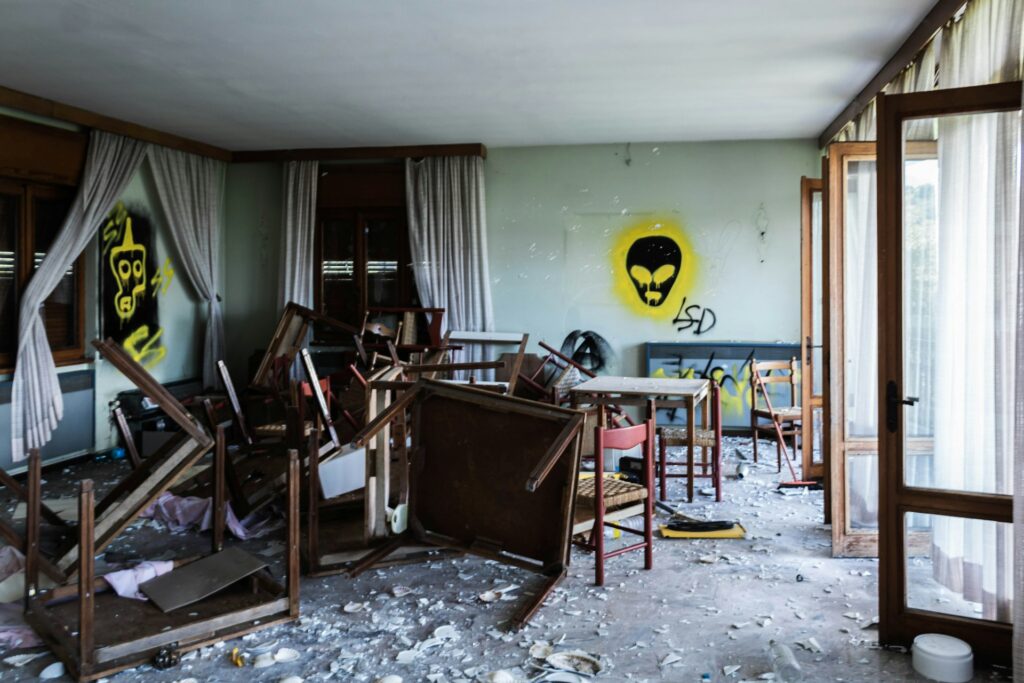
You walk into your rental unit after a tenant leaves and the damage is not normal wear and tear. Holes punched in walls. Grease poured down every drain. Copper wiring stripped out. Appliances gone. Fixtures smashed. What you are looking at is not a security deposit situation. It is malicious destruction, and it changes everything about how you need to respond.
This is one of the ugliest scenarios a landlord can face. It is also one where moving fast, documenting everything, and understanding how to evict someone under California law makes the difference between recovering your losses and absorbing them. The process of how to evict someone for property destruction is specific, and every step matters.
Understand What You Are Actually Dealing With
Property damage by a tenant falls into two categories: ordinary wear and tear, and willful or malicious destruction. Scuffs on the walls and a worn carpet after three years? That is normal. Ripped-out copper wire, grease in the drains, or a unit that looks like it was deliberately gutted? That is a lease violation and potentially a crime.
In California, Penal Code § 594 defines vandalism and malicious mischief. Damage above $400 is a wobbler offense, meaning it can be charged as a misdemeanor or a felony. This matters because it gives you options beyond the civil process of how to evict someone and collect damages.
Step 1: Document Everything Before You Touch Anything
Before you do a single repair, document the damage thoroughly. This evidence supports your eviction case, your security deposit deductions, your small claims filing, and any criminal complaint you choose to file.
- Take timestamped photos and video of every room, every surface, and every damaged fixture.
- Make a written inventory of what is missing, broken, or destroyed.
- Get contractor estimates in writing, not verbal quotes.
- Save all records of the original move-in condition, including inspection forms, photos, and written communications with the tenant.
If the tenant is still in the unit when you discover the damage, do not confront them alone. Call the police if the destruction is ongoing or if you believe the property is being actively stripped.
Step 2: Serve the Right Eviction Notice Immediately
If the tenant is still occupying the property, this is no longer a civil inconvenience. It is grounds for immediate tenant eviction.
Malicious property damage is a lease violation and, in most standard lease agreements, a material one. Under California landlord tenant law, you can serve a 3-Day Notice to Quit for serious, uncurable violations. Property destruction typically falls into this category. Unlike a curable violation such as an unauthorized pet, a tenant cannot undo the fact that they stripped copper wire out of the walls.
Figuring out how to evict someone in this situation starts with serving the correct notice. A 3-Day Unconditional Notice to Quit tells the tenant they must vacate with no opportunity to cure and no second chance. If the notice is defective in any way — wrong wording, wrong delivery method, or a miscounted deadline — your eviction papers will fail in court and you will have to start over. That means more weeks with a destructive tenant in your property.
This is why getting the notice right on the first attempt is so critical. Review our detailed breakdown of how the eviction notice process works in Los Angeles before you put anything in writing.
Step 3: File an Unlawful Detainer If They Refuse to Leave
If the tenant does not vacate after the notice period expires, the next step in how to evict someone in Los Angeles is filing an Unlawful Detainer complaint with the Los Angeles Superior Court. The UD complaint must include a description of the lease violation, the notice you served, and other required documentation.
Once the complaint is filed and served, the tenant has five court days to respond. If they do not respond, you can request a default judgment. If they do respond, the case proceeds to a hearing. Either way, you need to be prepared. Tenants in Los Angeles know how to raise defenses, and courts here do not favor landlords who show up with incomplete paperwork.
Understanding how to evict someone is only half the battle. You also need to know which grounds legally support your case. Review the legal reasons for eviction recognized under Los Angeles city ordinances, including damage and nuisance behavior.
Step 4: File a Police Report for Criminal Damage
Do not skip this step. A police report creates an official record of the damage, which strengthens your position in any civil or criminal proceeding. Officers may or may not pursue charges depending on the extent of the damage and available evidence, but having a report on file matters.
For damage that reaches the threshold for felony vandalism, such as stripped copper wire or significant structural damage, you may have grounds to pursue restitution through the criminal court system. The California Courts self-help resource outlines how property owners can request restitution as part of a criminal sentence.
Step 5: Go After the Security Deposit and Then Some
California law under Civil Code § 1950.5 allows landlords to use the security deposit to cover costs beyond normal wear and tear, including cleaning, repairs, and damage caused by the tenant. You have 21 days from the date the tenant vacates to return the deposit or provide an itemized written statement of deductions with receipts.
If the damage exceeds the deposit, the security deposit is just the starting point. You can sue in small claims court for amounts up to $12,500. If your losses are higher, Superior Court is the right venue. Keep every receipt, every contractor invoice, and every estimate. They are your evidence.
What Landlords Get Wrong After a Destructive Tenant
Most landlords in this situation make one of three costly mistakes.
They rush into repairs before documenting. Once you fix the damage, you have made it significantly harder to prove what the tenant did. Courts and insurance companies want evidence, not your recollection of what the bathroom looked like.
They try to handle the eviction themselves. Knowing how to evict someone in Los Angeles and actually executing a legally valid eviction are two different things. Los Angeles is one of the most tenant-protective cities in the country. The Just Cause for Eviction Ordinance, the Rent Stabilization Ordinance, and procedural notice requirements all create traps for landlords who go it alone. One misstep in your eviction papers and the entire case can collapse.
They wait. Every day a destructive tenant remains in your unit is another day of potential additional damage, another day of lost rental income, and another day of leverage shifting to their side. If the tenant is still in the property, the time to serve eviction papers is now.
Landlord Rights Under California Law: What You Can Recover
Beyond the eviction itself, landlord rights in California give you multiple avenues for recovering your losses.
- Security deposit deductions for cleaning, repair, and replacement costs beyond normal wear and tear.
- Small claims or civil court judgment for amounts exceeding the deposit.
- Criminal restitution if the damage supports criminal charges.
- Attorney’s fees if your lease contains a prevailing-party attorney fee clause.
None of these remedies work well without documentation. And none of them replace the need to know how to evict someone correctly so you can regain possession of the property in the first place. If you are uncertain about how to evict someone while also pursuing damages, an eviction attorney can map out both tracks simultaneously.
How EvictBoss Handles Damage-Related Evictions
EvictBoss works exclusively for landlords. No tenant cases. No conflicts. When a tenant has destroyed your property and refuses to leave, we handle the notices, the eviction papers, the Unlawful Detainer filing, the court appearances, and the Sheriff coordination from start to finish.
Ariel Mossazadeh, Esq. brings a background in real estate transactions and contract law to every tenant eviction case. He knows how tenant attorneys fight these cases and how to close off the procedural gaps they exploit. If you need to know how to evict someone the right way and fast, that is exactly what EvictBoss is built for.
The information in this blog is for general informational purposes only and does not constitute legal advice. Every eviction case is unique. Contact EvictBoss to discuss the specific facts of your situation.